
Where Patient Education Breaks Down in Breast Cancer Care
When education is incomplete, patients don’t just feel uninformed; they feel dismissed.
When education is incomplete, patients don’t just feel uninformed; they feel dismissed.

Using the ED for non-emergencies costs more than many people’s monthly student loan payments and strains an already fragile system. Employers who bridge knowledge gaps and educate employees in engaging ways can foster a healthier workforce and reduce ED strain.

Small practices play a critical role in healthcare delivery, but they cannot continue to absorb ever-increasing administrative demands without consequences.

The future of telehealth is trust, combined with patient education. As the market matures, all parties — providers, regulators, and platforms — must collaborate to sustain that trust.

Changing any status quo is challenging, but maintaining the status quo of low patient literacy in healthcare is costly and detrimental to both patients and healthcare organizations. Investing in patient literacy is therefore investing in healthcare itself.

Highly preventable if diagnosed and managed early, CAD should be a healthcare priority. Both patients and providers have pivotal roles in driving this change.

As we confront the sobering statistics and growing impact of colorectal cancer, it's clear that more education about the various options for testing is needed to increase screening rates across the U.S.


By reducing administrative burden and redesigning workflows around human needs, it creates space for what matters most: connection between clinicians and patients.
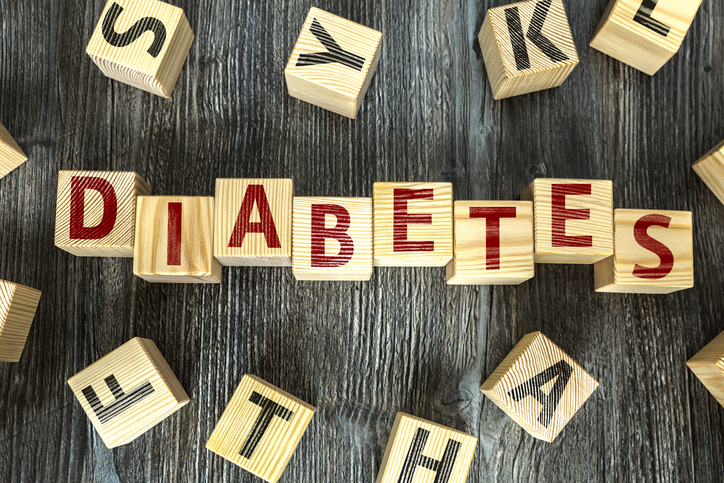
Continuous Glucose Monitoring tools are revolutionizing the way diabetes is managed, offering unparalleled benefits for both healthcare providers and patients. By providing continuous, accurate data, CGM is especially useful for remote monitoring, enabling timely interventions and leading to better user health.

We must empower health plan members with culturally and linguistically-relevant information about their benefits and health – tools that in turn encourage them to adopt a proactive and informed approach to their well-being.

Educational materials that are relatable and personalized can increase engagement. Here's what is needed to create educational materials that empower patients and lead to better outcomes.

if we can shift the way we deliver information, we can change the entire culture of pharmacy in a way that relieves some of the burden on the pharmacists and improves patient outcomes at the same time.

We have the opportunity to design systems that give people greater capacity for the work where human presence matters most: listening, understanding, reassuring, deciding, and caring.

Through effective and purposeful engagement, frontline caregivers are able to build meaningful relationships with patients, show them that they are seen and heard, and empower them with the information and education they need to be better stewards of their own health.
WebMD Provider Services struck a partnership with patient communication company Artera (formerly WELL Health) to expand access to patient educational content and medication affordability programs through texting.
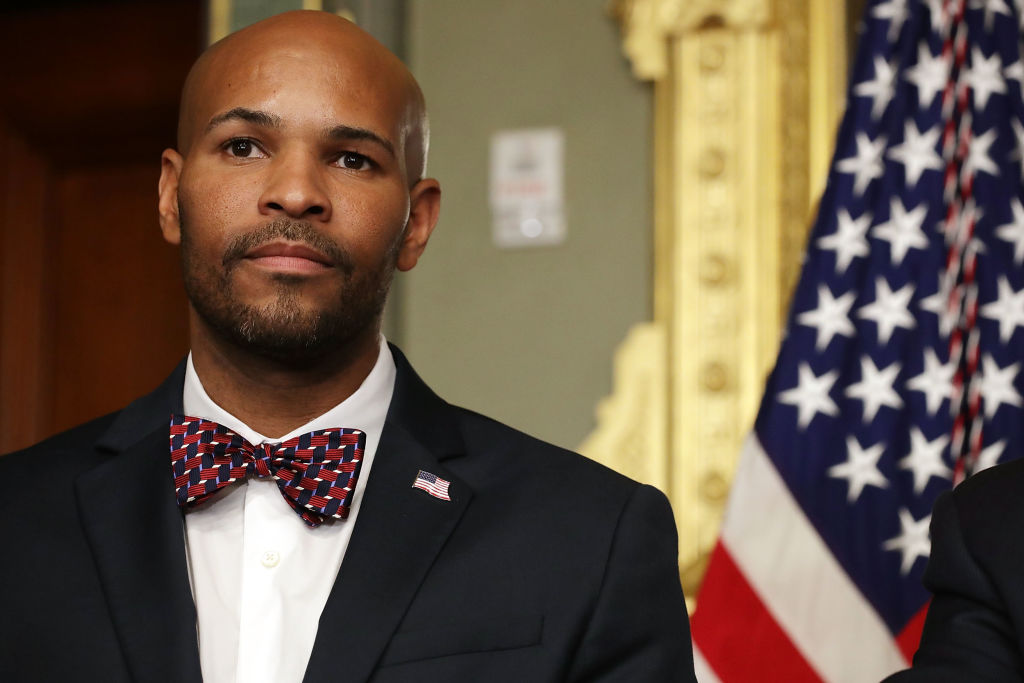
Dr. Jerome Adams has been sworn in as the nation's 20th Surgeon General and these areas should be his priorities.

In another recent member poll, physicians found problems in patient diagnoses gleaned from the Internet.

Digital connections and education are essential to value-based care.